Low-Energy Self Care That Actually Helps
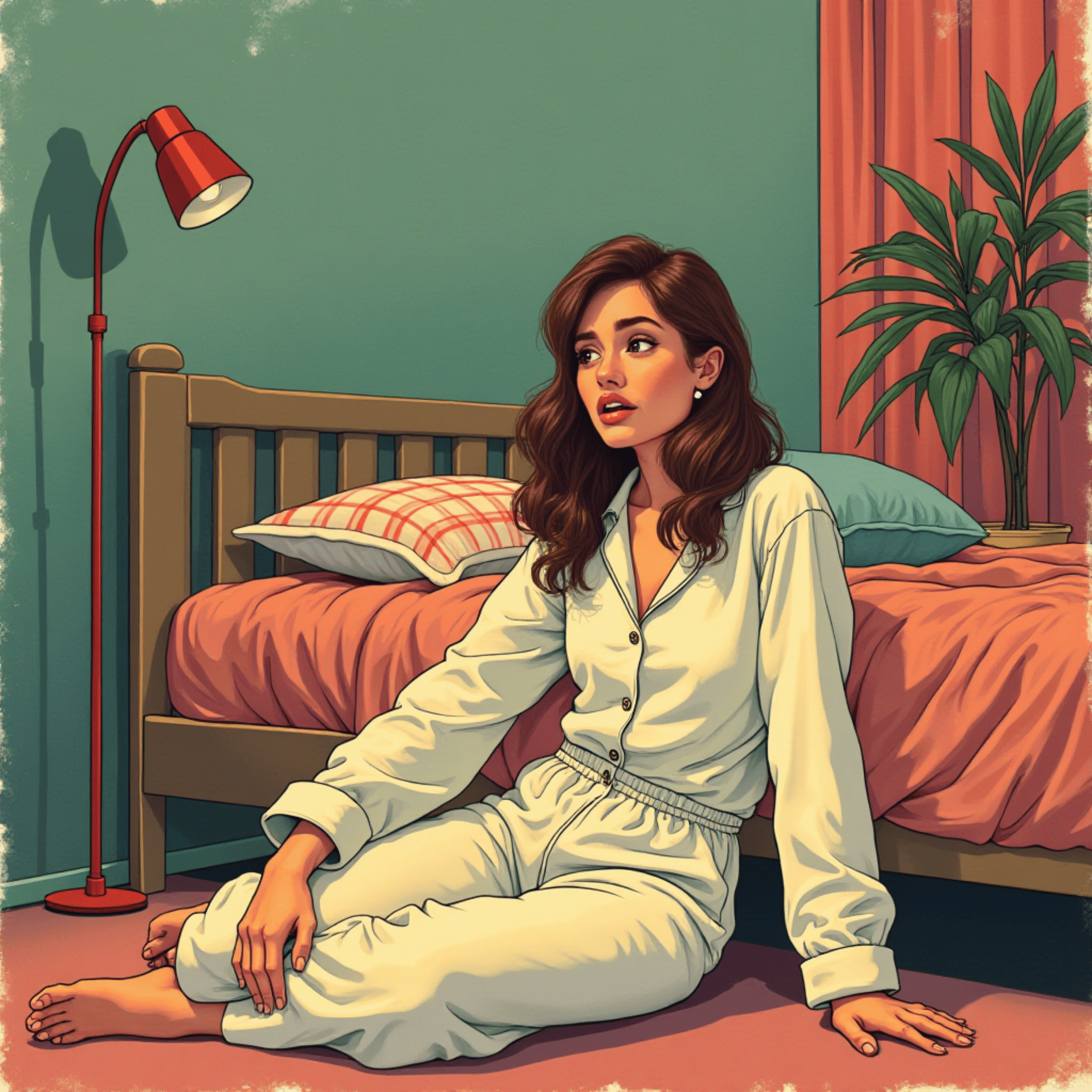
For days when even the thought of “taking care of yourself” feels like too much
Some days you don’t need a routine.
You don’t need a morning ritual.
You don’t need breathwork, gratitude lists, or a life overhaul.
You certainly don’t need a glow-up.
You need support that meets you on the floor.
Low-energy self care is not about becoming your best self.
It’s about reducing strain on a system that’s already overloaded.
First Rule: Remove Pressure
If a self-care practice feels like something you “should” do — it’s not low-energy.
Low-energy care feels like:
relief
softening
less
easier
If it feels like effort, skip it.
The Most Effective Low-Energy Supports
These work because they help the nervous system feel safer — not because they’re impressive and worthy of a curated Instagram feed.
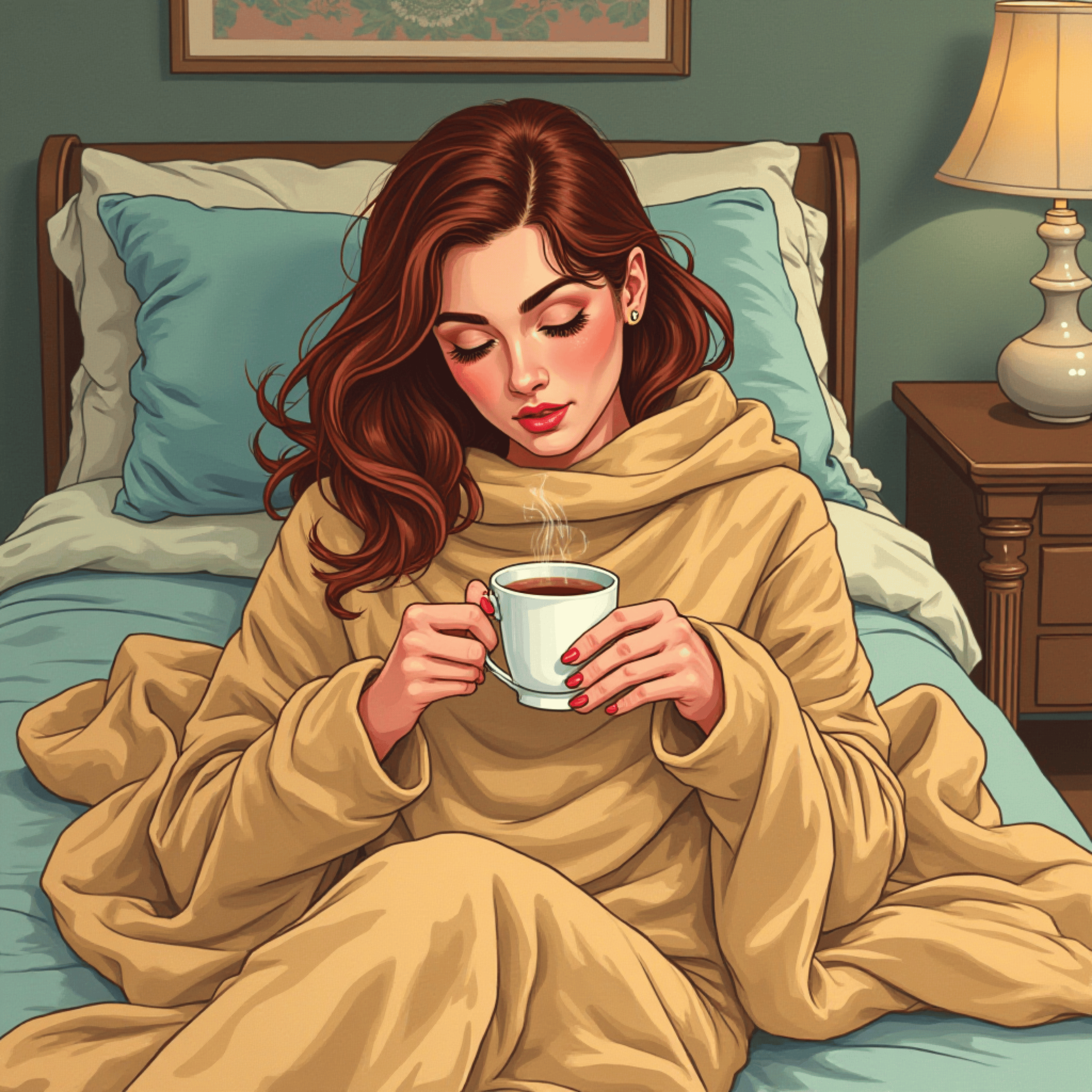
🪑 Change Your Level of Support
Lie down. Sit on the floor. Lean on something. Wrap up.
Your body relaxes faster when it feels held.
🔥 Add Warmth
Warm drink. Shower. Blanket. Heating pad.
Warmth = safety signal.
🌬 Slow Your Movements
Move slower than usual.
Pour the tea slower. Walk slower. Speak slower.
Slowness tells your system there is no emergency.
🌫 Lower Sensory Input
Dim lights. Lower volume. Fewer tabs open. Less conversation.
Overwhelm isn’t always emotional — often it’s sensory.
✍️ The 30-Second Journal Method
No pages. No reflection. Just:
“Right now I need less ______.”
That’s it.
This is the energy level your Spark Starter tools and Permission to Pause journal were built around — not productivity, but nervous system kindness.
What This Isn’t
It’s not laziness.
It’s not avoidance.
It’s not “giving up.”
It’s preventing collapse.
High-energy self care builds growth.
Low-energy self care creates stability so growth is even possible.
🌤 The Quiet Truth
You don’t heal by doing more when you’re depleted.
You heal by removing strain until your system has room to rise on its own.
Sometimes the bravest thing you can do is:
not fix
not push
not force
just support yourself where you are.
That is self care.
And it works.
If you want a gentle structure for days like this, the Permission to Pause journal was designed around low-energy support — small prompts, soft pages, no pressure.
You might also find comfort in
“What to Do When You Feel Too Tired to Heal.”
It’s for the days when even self-care feels like effort.